Club Cyberia, no way out : A Looping Infrastructure of Subconsciousness/Album Review: 無路可逃的Club Cyberia:潛意識的循環式建設
ABSURD CREATION
//1:50-2:01秒,對話出現。Cyberia轉化成白茫茫一片,人們懸浮在空中慢漂。突然beat drop,Cyberia旋即扭作一條長廊,兩則的牆隨著節奏不斷生成。這是一個跟隨節奏和思緒起樓的過程—有時缺少支柱,有時則如同空中樓閣。空間和時間在我們體驗的過程中被構建。我們可以想象,當我們播放整張《lain os is online vol. 2》時,Cyberia正在扭曲和波動。當DJ播放最后一曲,Rench Kee的「Fake Trauma Orchestr」時,我們的目光掃向一位面帶微笑的藥癮者。切換到第十六首歌,Emo Betriebswerk的「Nonverbal/Communication」时,我們捕捉到一把槍,有人觸發了扳機,我们隨着子彈追隨。她在艾莉絲面前平靜地站著。整個專輯如同一個可塑的建築物,聲音的起伏、參差不齊在玲音場景之間瘋狂置換,出現在耳朵防不勝防的時候。//

鳳氣至純平:在台日本人該如何看待日治時期的台灣史?
LINKING VISION 聯經思想空間
//敘事的合法性在過去無數「史實」的紀錄和敘述中體現。探索歷史的過程中,基於某個過去,對此賦予意義,加以敘述。歷史敘述者所在的「當下」往往決定歷史如何被記錄、詮釋,包括空間、時間、社會活動、個人經歷的「當下」,也會影響人們看待歷史的方式,形成不同的觀點與評價。一個人的歷史敘述,涉及其「當下」所在的脈絡,以及對「過去」、「當下」甚至「未來」的認知、理想和期望等因素。憑籍這些因素,述史者再透過選擇、詮釋、敘事的作業,對一個「史實」描繪出各自的「歷史」、「歷史像」//
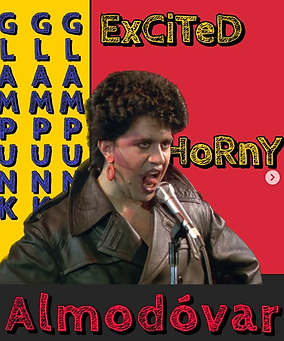
BEING EXCITED MEANS TO BE HORNY:華麗龐克艾慕杜華
Zenegeist 識你佳
//在NPR電台受訪裡,艾慕杜華談到《飛常性奮!》(I'm So Excited!)為什麼叫excited是因為excited的西班牙語其實是horny的意思。他用充滿磁性的聲音說:”Being excited means to be …HORNY“ 停頓幾秒,重音放在Horny上。瞬間覺得他的直男tone配上自身同性戀身分和電影裡各種貶抑男性歌頌瘋女人到虔誠老大嬸雞督徒的自然美態,竟毫無違和感。他的躍動是性欲般挑撥著觀者的節奏底蘊,將生活種種矛盾、保守規範的景象、踰越性情節通通搬進電影,在龐克舞台、《痛苦與榮耀》(Pain & Glory)裡搬入他的私脈絡。音樂跟影像在艾慕杜華的世界徹底融和。也許,正如德勒茲在《電影一:運動影像》所說,「電影本身已經盡善盡美了」,不用添加多餘符號或意識形態。運動影像是客觀世界的物理現實,亦是意識裡的心理現實,從沒界線。音樂,何嘗不可/不是如此?//
Dogū Shapes the Images of Digital Monsters: From Jōmon Figurines to 21st Century Pop Culture
No Man Is An Island- New Bloom Magazine
//In Pokémon Sapphire (2002) and Pokémon Black/White 2 (2012), Claydol appears as a Ground /Psychic type and the Pokédex marks that it is a clay statue made by ancient people from 20,000 years ago, which indicates the late part of Jōmon. Pokemon notes the origin of Claydol as a “Spaceman clay prototype of Shakōki-dogū” which re-enact the original dogū creatively with mythology. Black Calabash-shaped, multiple goggle-eyes, simplified pattern on the body and shortened legs, the transformed dogū can fly now and turn award swiftly. Unlike the goggle-eyed dogū, Claydol can attack enemies successfully//
//昨天朋友A在經歷啟靈旅程,打電話給我聊天:「Gigi,聲音的本質是什麼?」
我:「聲音係我們要發出的時候便出現吧,像是我現在要說話,喉嚨震動便發聲。或想有其他效果的聲音我們便玩效果器、敲盤子」
朋友A:「不,你試下想你就是聲音,你想人們聽到什麼」
我:「我是聲音的話,就不會去想人家想聽什麼吧!」
A:「也是,那麽聲音在有空氣地方是不是都存在?」
我:「在真空中好像不會?」
A:「我們試試在表演空間制造真空,看看能不能把聲音凝在裡面。哇,同時我們和觀眾的身體是個賭注,沒空氣一起死在裡面!多浪漫」
在日常生活中試著尋找聲音的本質,但發現最大的阻礙是我作為一個人的限制。我們必須從人的角度思考、操控聲音,但這是實然的嗎?看了很多不確定性展演、藝術家的聲明,然而,序列性藝術家都在暗示一種姿態:聲音必須透過我的身體、器具、概念才能顯露它的本質,即藝術家認為它該有的本質。然而,是否在嚴格程序、重複操作下的創作,時間的本質和契機(occasion)、隨機性、內在強度才會「被彰顯」? 凱奇的不確定性展演、謝德慶的身體性反複指令,將自己藝術家角色自貶為功能性,都在世俗時間的開端和結束之間渡過,把自身鑲嵌在任何一種新狀態推進到下一個新狀態的實然狀態中被徹底耗盡,沒有如阿岡本彌賽亞時間概念般「一勞永逸地終止一切的循環和更替」,更沒有像我跟朋友般把聲音跟時間自然推進的權利歸還給它們自身。時間和聲音被進入「納入性排除」(inclusive exclusion)系統。先把外部時間算進藝術家自定的展演時程裡面以便管控,但同時又將其排除在外,不給予「時間、聲音」自然運作的權利。序列藝術只是在說,「生命是一場(被)慢性自殺的終身徒刑」
在以上兩位代表性序列藝術家壟斷的人類中心主義現代性策略以外,藝術場域還有機會真正謙卑地探索得到,非以藝術家自我(ego)、精神情感為固著點所延伸的時間和聲音本質性知識嗎?//
The Ingenious Nobuyoshi Araki Reenactments: Manbo Key, Transgression of Queer
No Man Is An Island- New Bloom Magazine
//Whether Ren Hang, Manbo Key, and Nobuyoshi Araki, they go against traditional social norms, stigmatization, and moral standards. This is similar to the definition of Georges Bataille’s transgression–transgressing the status quo of social norms or mainstream hegemony to develop their own queer lifestyles and artworks. Most importantly, they are the living proofs, manifestations of their own artworks, and are honest to their true selves, via true self, bodies and their intertwined art media (photography, painting, DJ-ing, fashion, lifestyle, sex, death, and love) as media and carrier to embody a fragmented, thoroughly self-determined queer trajectory that allows for progressive contextualization and cross-contextuality//
《聲音日記 Vol.3》找到自己的聲音:音樂必須有系統才能彰顯人的隨機性?談當代藝術、科層語言、噪音、序列音樂、取樣、極簡主義、電子音樂
//We begin searching for society’s lack and anger, reflecting on life’s binaries and unfortunes, irregularities, artifices, weaponising your favourite work as a convoluted reflective intervention of daily phenomena, using “high art to care for low people”. Every performance, every submission requires novelty and innovation, “this exhibition needs to be (formally) different than the previous exhibition”. Quoting Lin Chi-Wei (林其蔚), “by western modern standards, if we bring out the same thing every time it means we have not improved, it is also judged by format of your work. Western perspectives entail a value of modernism (or modern art), in simpler terms a form of progressivism.”Currently, no matter where we perform, all everyone worries about is creating things that are the same as previous. Creativity becomes the same meaning as “making changes”, our artworks are being insisted to be aesthetically reflexive with daily contexts//

A: How do you use breath and megaphone as instruments?
K: Breath is at the ontological center of my art practice as a vocalist. I invent vocal techniques – most involve multiphonic or difference-tone singing with circular breathing.
I started using the megaphone, when I started incorporating architecture as part of my art. With a megaphone, I can move and also sing the resonant frequencies of spaces – which means I can read complex architectural features as harmonic structure.
A: Why do you do public performances?
K: First, let me tell you that this is Plan B. Growing up in the US, I was insecure about being American, so my first plan, Plan A, was to cure this deficiency that I felt as a minority. My Plan A, was to go to West Point, serve my country, become a general, and come back to California and become a senator. Going into the second year, I suffered an injury in a training accident and couldn’t continue. I came back home and convalesce for two years.
Eventually, I started playing in bands and writing songs. When I got healthy enough to think about finishing my education, I thought, maybe I should do it in music. I knew nothing. But I was beginning to get interested in jazz and found a school I could go to - Berklee College of Music. Once there, I discovered music composition. Eventually started teaching. Why do I perform? Music saved my life, literally! All I’m trying to do is offer something of what music did for me to the audience - there’s a level of sacrifice and giving which I hope is palpable.
A: What are you going to do at the Noise Fest on 3/8 & 4/8?
K: On the first night, I’ll be performing with my old friend, Kung Chi Shing. The second night, I’ll be playing with two younger players - Xiao Liu and local artist Step Ip. As they are improvised sets, I’ll see what happens during the performance.
A: ASTROJOKE @gigikannnn
Y: Yuma Takeshita @yumatakeshita
A: How do you imagine these mechanical components, that are operated in their own independent timing 🕐, operate with and without you?
Y: Each instrument work to produce the sound that set at a point in time. The relationship between them determines factors such as the notes, kind of rhythm or accents that are being played. The combination of these factors are unknown until they are activated. All mechanical parts move at varying speed and create composite patters that repeat itself. If I do not intervene, it should sound like a constant pattern changing slowly.
I am an irregularity around these instruments. I am a form that interferes with the movement of this instrument that breaks the pattern. The instruments then responds with a sound, which I then disrupt... and so on.
A: I see that you have a bird watching Instagram account, are your works in anyway inspired by birds? Are they correlated? @yuma_takeshita
Y: 🐦⬛ Birdwatching has a lot to do with my works.
I usually listen for their chirps, flapping wings and the direction of these sounds generated from. You will hear birdsongs played by the rotating speakers in this set as well. I was also inspired by how the two ears of owls are slightly offset vertically to allow them to perceive the depth, hence I created these speakers that are rotating vertically. I am curious to know how that would sound like to us.
A: What will you be performing on 1-2/11 at HICCUP 🫢?
L: Although I perform with rotating speakers and mechanized instruments, my performances are improvised, so each performance is different. I am inspired by the atmosphere of the space, the way sound is resonating, the behaviors of other performers and the audience, so I never know what will happen until it happens.